Source Industrial Tow Tugger Cart for Warehouse, Airport, and Construction
Source an industrial tow tugger cart from 27 available models designed for warehouse, airport, and construction logistics. Compare electric options with varying load capacities, battery types, and wheel configurations to find the right material handling solution for your operational needs.
Key considerations
Products List




Comprehensive Sourcing Guide
Industrial Tow Tugger Cart Sourcing Guide
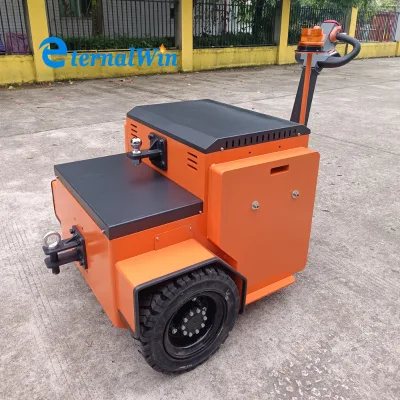
Procurement of industrial tow tugger carts requires careful alignment between operational demands and specific machine capabilities. The observed market features electric models with varying load capacities, ranging from 1,000kg to 8,000kg, alongside specialized units capable of handling up to 60 tons for heavy airport applications. Buyers must distinguish between standard warehouse movers and high-capacity tuggers designed for logistics hubs, as the power source and drive type directly influence suitability for specific environments.
Selection decisions hinge on verifying the battery type and motor configuration against the intended duty cycle. Most observed units utilize lead-acid batteries paired with AC motors, which offer reliable performance for continuous indoor operations. However, the presence of rubber or polyurethane tires and electromagnetic braking systems indicates a need for surface-specific evaluation. Procurement teams should prioritize models where the load center and overall dimensions match the physical constraints of their facility aisles and loading docks.
Product Scope and Observed Listing Signals
The current market listing signals reveal a diverse range of electric tow tugger configurations, including specific models like the KL800A and KL1200L, which cater to distinct industrial sectors. These units are frequently marketed for use in warehouses, retail spaces, hospitals, and construction sites, indicating a broad applicability across different operational environments. Buyers should note that while some units are designed for walking-style operation, others are built for heavy-duty towing tasks with significant pulling forces, necessitating a clear definition of the primary use case before sourcing.
Listing data also highlights variations in physical attributes such as foldability and handle types, which impact storage and maneuverability. Non-foldable designs with adjustable handles are common, suggesting that space optimization is a secondary concern compared to structural rigidity for heavy loads. The presence of specific packing standards, such as wooden cases or iron pallets, signals that shipping and handling costs must be factored into the total cost of ownership. Procurement teams must scrutinize these physical specifications to ensure the equipment fits within their existing logistical workflows.
Technical Specifications to Verify
Technical verification must begin with the rated load capacity and the corresponding load center distance, as these parameters define the safe operating envelope of the tugger. Observed data indicates capacities ranging from 1 ton to 8 tons, with specific models featuring a 500mm load center. Buyers should confirm that the rated pulling force aligns with the heaviest load they intend to move, ensuring the motor and battery system can sustain the required torque without overheating or premature failure during peak operational hours.
Battery performance and tire composition are critical technical factors that determine longevity and surface compatibility. Most units in the observed range utilize lead-acid batteries, which require specific charging protocols and maintenance schedules. The choice between rubber and polyurethane tires should be dictated by the floor condition; polyurethane wheels are ideal for smooth indoor surfaces, while pneumatic options may be necessary for outdoor or uneven terrain. Verifying the overall weight of the truck with the battery is also essential for calculating floor load limits and transport requirements.
Compliance and Safety Documentation
Safety compliance for industrial tow tuggers involves verifying the presence of electromagnetic braking systems and ensuring they meet local regulatory standards for material handling equipment. The observed listings consistently mention electromagnetic brakes, which provide reliable stopping power in electric applications. Procurement teams must request documentation confirming that these braking systems have been tested for emergency stop scenarios and that the electrical components adhere to relevant safety certifications for industrial machinery.
Documentation regarding the origin and manufacturing standards is equally vital for liability and insurance purposes. Many units originate from Suzhou, China, and adhere to specific model standards like KL800A or B-FRAME. Buyers should ensure that the supplier provides a certificate of origin and proof of adherence to the stated product standards. Without clear evidence of compliance with safety regulations, the risk of operational accidents increases, potentially leading to significant financial and legal repercussions for the purchasing organization.
Cost Drivers and Commercial Terms
The total cost of ownership is heavily influenced by the lead time and the specific configuration of the unit, such as battery capacity and tire type. Observed lead times vary from 15 days to 5 to 15 working days, depending on the model and customization requirements. Buyers should account for these timelines in their production schedules, as delays in delivery can disrupt supply chain operations. Additionally, the cost of specialized accessories, such as adjustable handles or specific wheel types, can significantly impact the final price.
Commercial terms regarding minimum order quantities and packaging are also key cost drivers. The observed minimum order quantity ranges from 1 to 3 units, offering flexibility for smaller operations. However, the packaging method, whether wooden cases or iron pallets, affects shipping costs and potential damage during transit. Procurement teams must negotiate clear terms regarding who bears the risk of damage during shipping and ensure that the packaging is robust enough to protect the equipment during long-distance transport.
Supplier Qualification and Quality Control
Supplier qualification should focus on the manufacturer's ability to provide consistent quality across different models and their track record in the industrial sector. The observed data indicates that many suppliers are based in Suzhou, Jiangsu, a region known for manufacturing industrial equipment. Buyers should verify the supplier's production capacity and their ability to meet the specific customization needs of their organization, such as unique load capacities or specialized battery configurations.
Quality control processes must be rigorously evaluated to ensure that every unit meets the specified performance standards. Buyers should request evidence of factory audits and quality assurance protocols that cover the assembly of critical components like the motor, battery, and braking system. It is essential to confirm that the supplier conducts pre-shipment inspections to verify that the product matches the agreed-upon specifications, including the overall dimensions and load capacity, before the goods leave the factory.
Long-Term Procurement Checks
Long-term procurement success depends on establishing a reliable supply chain that can support ongoing maintenance and spare parts availability. Buyers should verify the supplier's commitment to providing replacement parts for critical components like batteries and tires, which are subject to wear and tear. A robust after-sales support system is crucial for minimizing downtime and ensuring that the equipment remains operational throughout its intended lifespan.
Regular performance reviews and feedback loops with the supplier are necessary to maintain high standards of service and product quality. Procurement teams should schedule periodic assessments of the equipment's performance against the initial specifications to identify any recurring issues or areas for improvement. By maintaining open communication and setting clear expectations for future orders, organizations can build a strategic partnership that supports their long-term operational efficiency and cost-effectiveness.
FAQs
What load capacities are available for electric tow tugger carts?
Available models support load capacities ranging from 1000kg to 14000kg. Specific units like the KL800A handle 8000kg, while the KL1200L supports 12000kg. Other variants offer 4500kg or 1000kg capacities. This range allows selection based on specific material handling requirements across warehouse and industrial settings.
Can industrial tow tugger carts be customized for specific needs?
Yes, customization is available for these electric tow tugger carts. Buyers can specify requirements such as platform size, battery type, or wheel configuration. The products are new condition and can be tailored to fit various operational environments including retail, hospital, and construction sites, ensuring optimal performance for unique workflows.
How long is the lead time for ordering these tugger carts?
The standard lead time is typically 15 days for production and preparation. Some suppliers indicate a range of 5 to 15 working days depending on order volume and configuration. This timeframe allows for manufacturing adjustments and quality checks before the units are packed in wooden cases or iron pallets for shipment.
What battery types are used in these electric tow tugger carts?
Most models utilize lead-acid batteries for power supply. These batteries are integrated into the truck weight, such as 120kg or 1220kg depending on the model size. The electric power system ensures quiet operation and zero emissions, making them suitable for indoor environments like warehouses, hospitals, and retail stores.
Where are these industrial tow tugger carts manufactured?
These electric tow tugger carts are manufactured in Suzhou, Jiangsu, China. The origin is consistently listed for various models including the KL800A, KL1200L, and KH-F10. This location serves as the primary production hub for these metal-framed vehicles, ensuring standardized quality and efficient logistics for international buyers seeking reliable material handling equipment.
What braking systems are equipped on these electric tugger carts?
These industrial tow tugger carts are equipped with electromagnetic brake types. This system provides reliable stopping power and safety during operation. The braking mechanism works in conjunction with the electric motor to ensure precise control, which is essential for maneuvering heavy loads in tight spaces within warehouses, factories, and construction sites.